How this all started.
I grew up in the mountains of Colorado. My dad, my little brother, and I used to build aspen log furniture together — chairs, tables, benches, whatever we could dream up out of the trees around us. I loved every minute of it. Not because I knew I'd be a woodworker someday, but because I was working alongside the two people I loved most, and there was something about turning a raw log into something useful that made sense to me in a way nothing else ever had.
Life happened. I grew up, got grounded, built a career, met the woman who would become my wife. But the itch to work with wood never went away. When we finally had the space to make it happen, my wife looked at me and basically said do it. She's been my number one supporter from day one — the reason Black Ember exists at all.
"When it's ready, it's ready. Quality takes the time it takes."
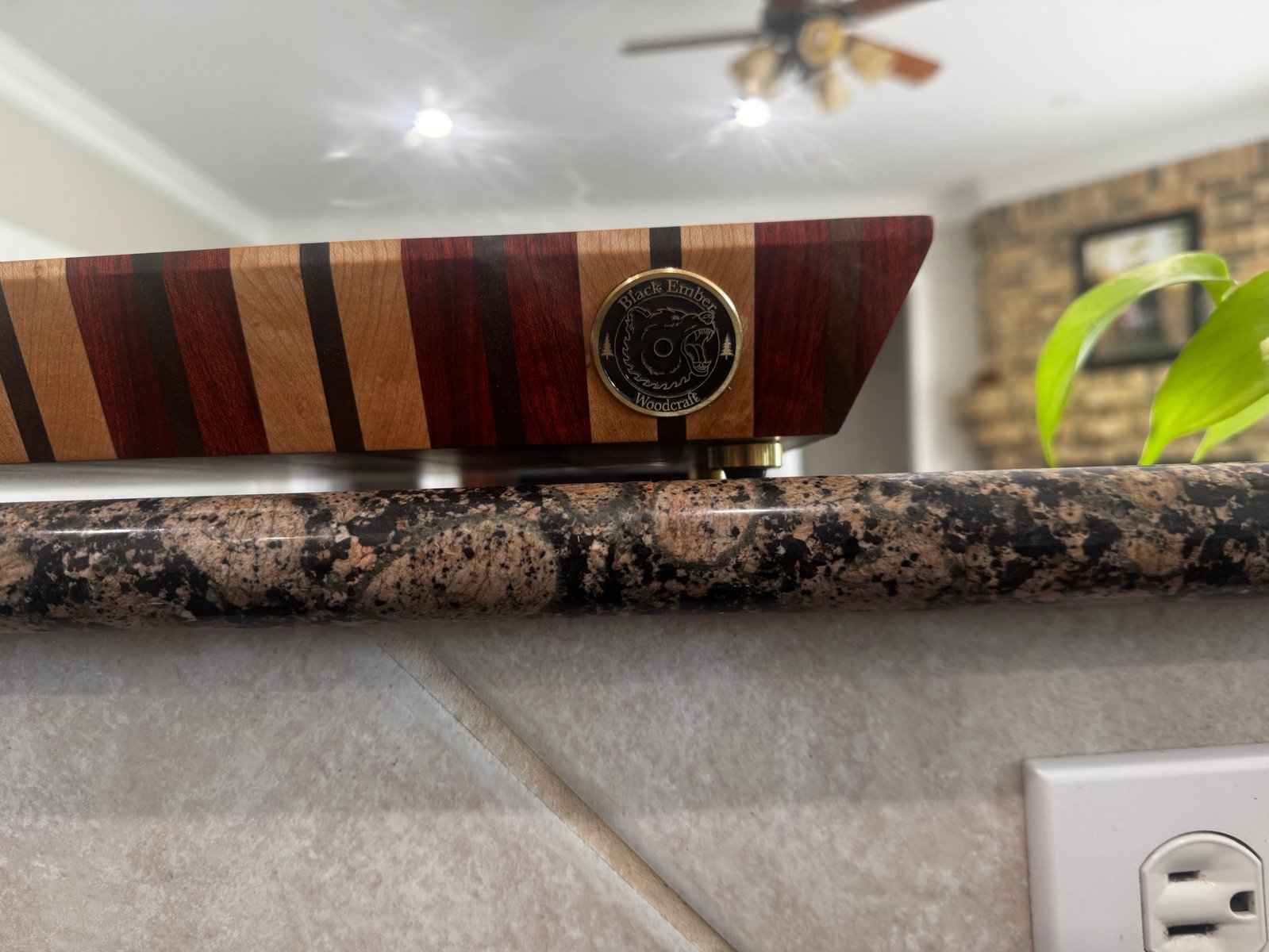
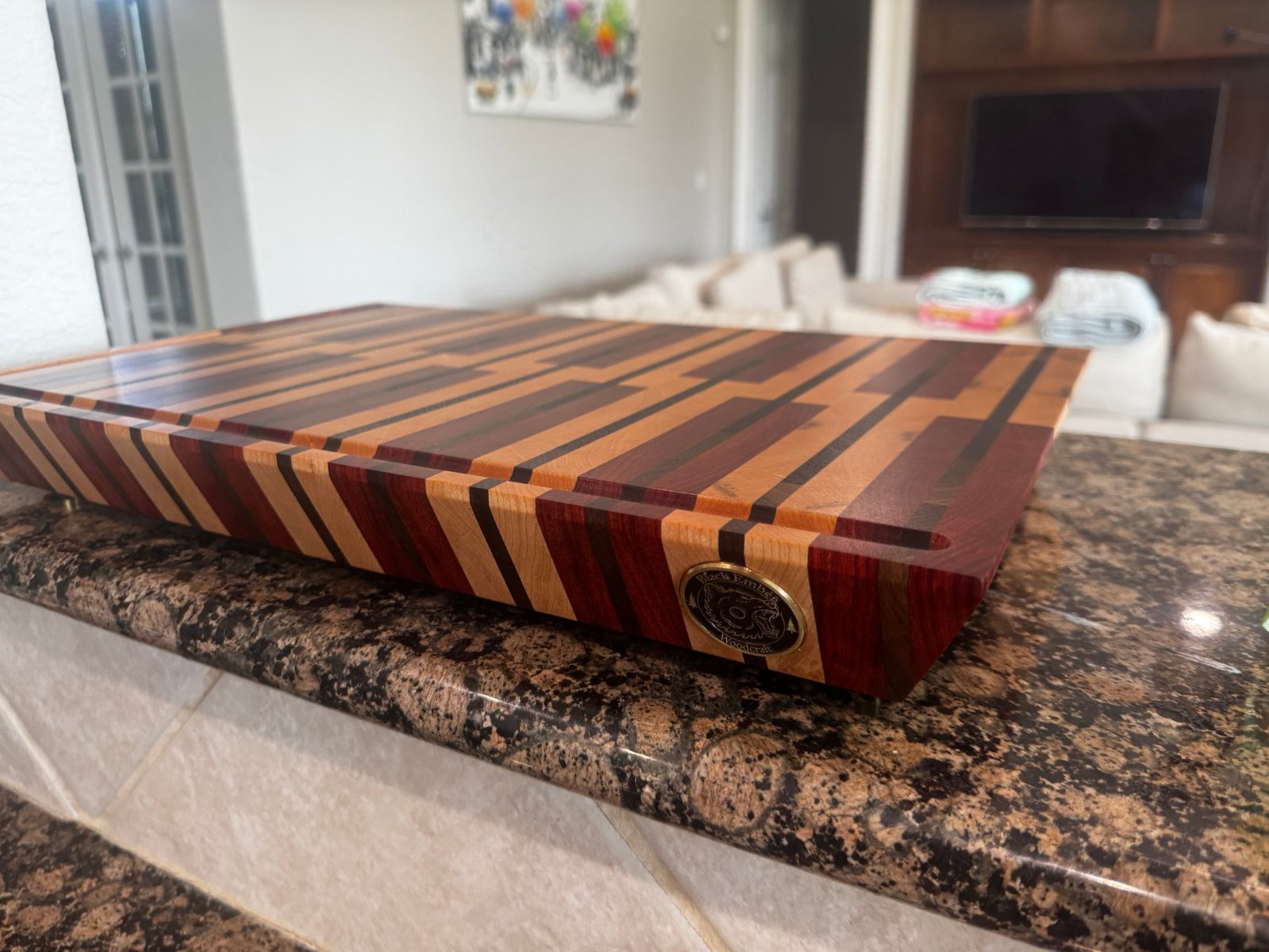
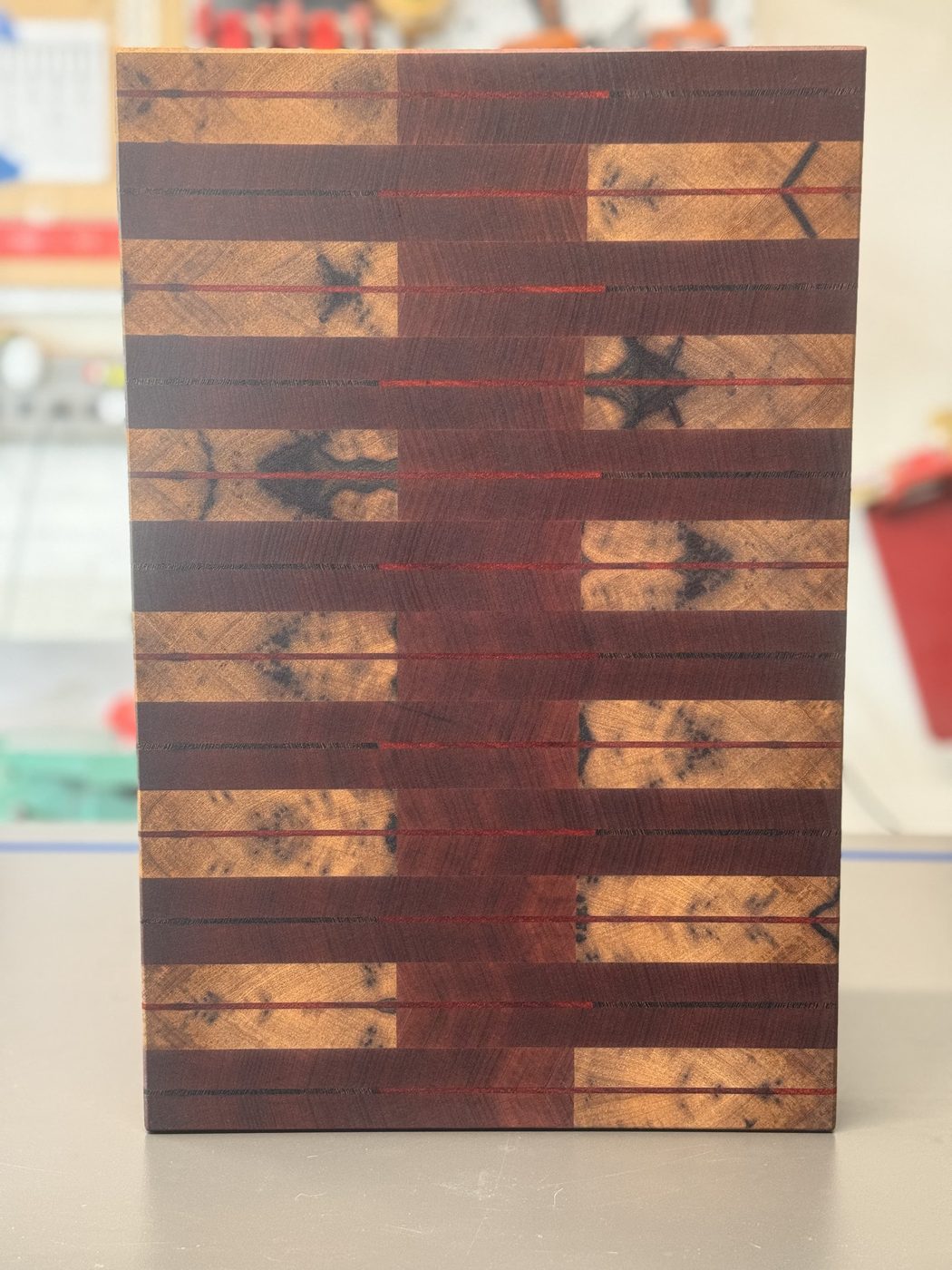
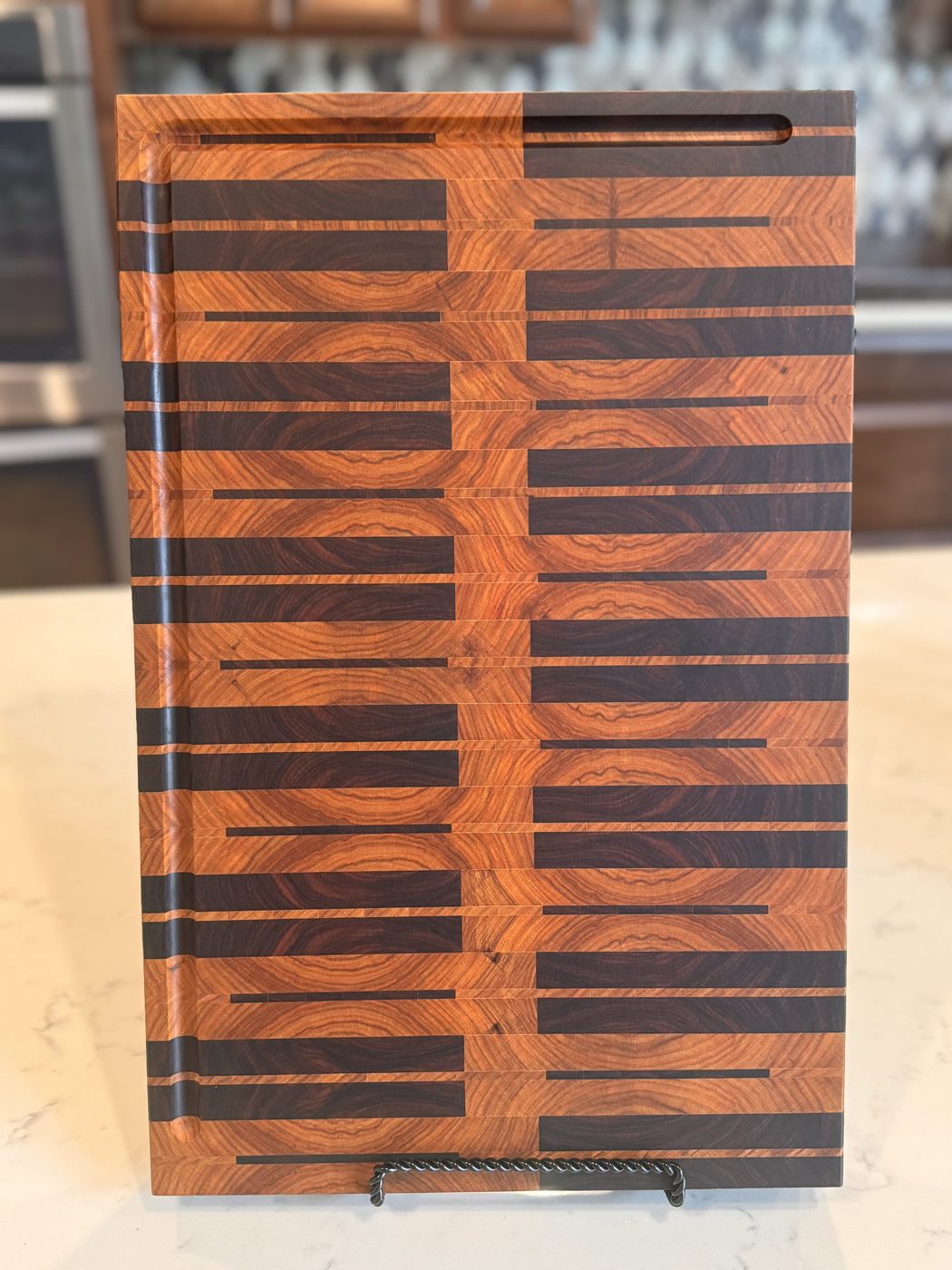
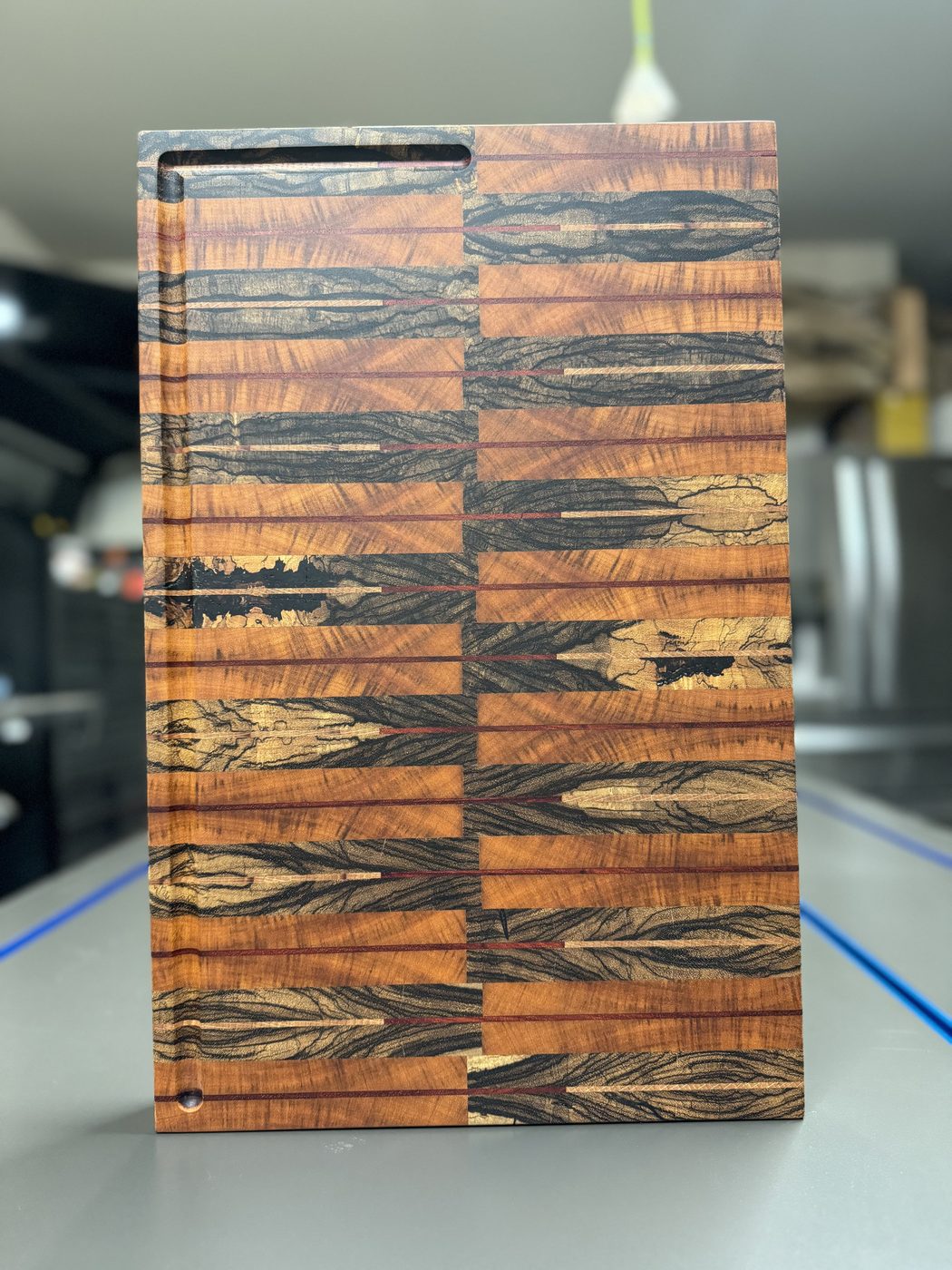
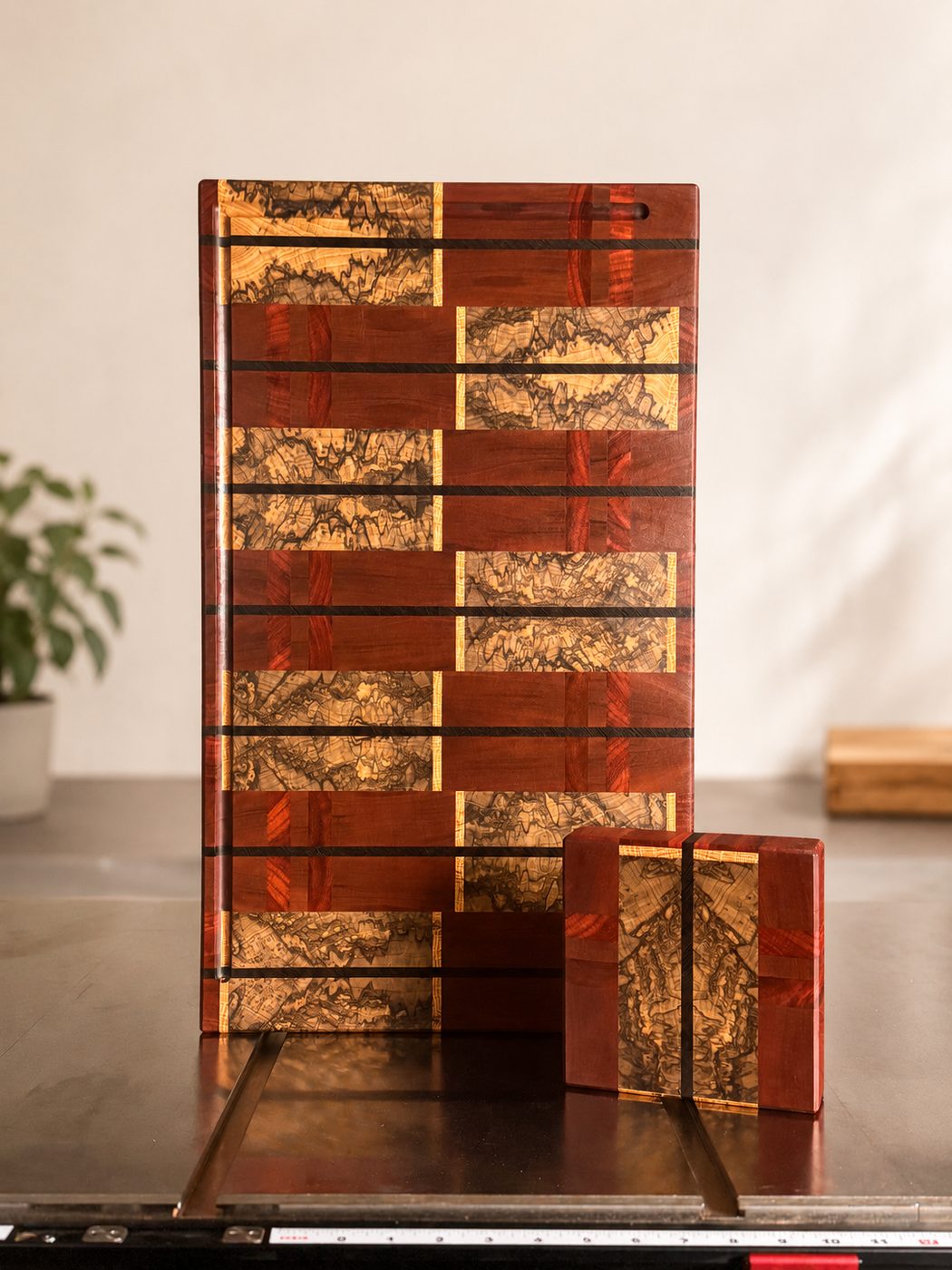
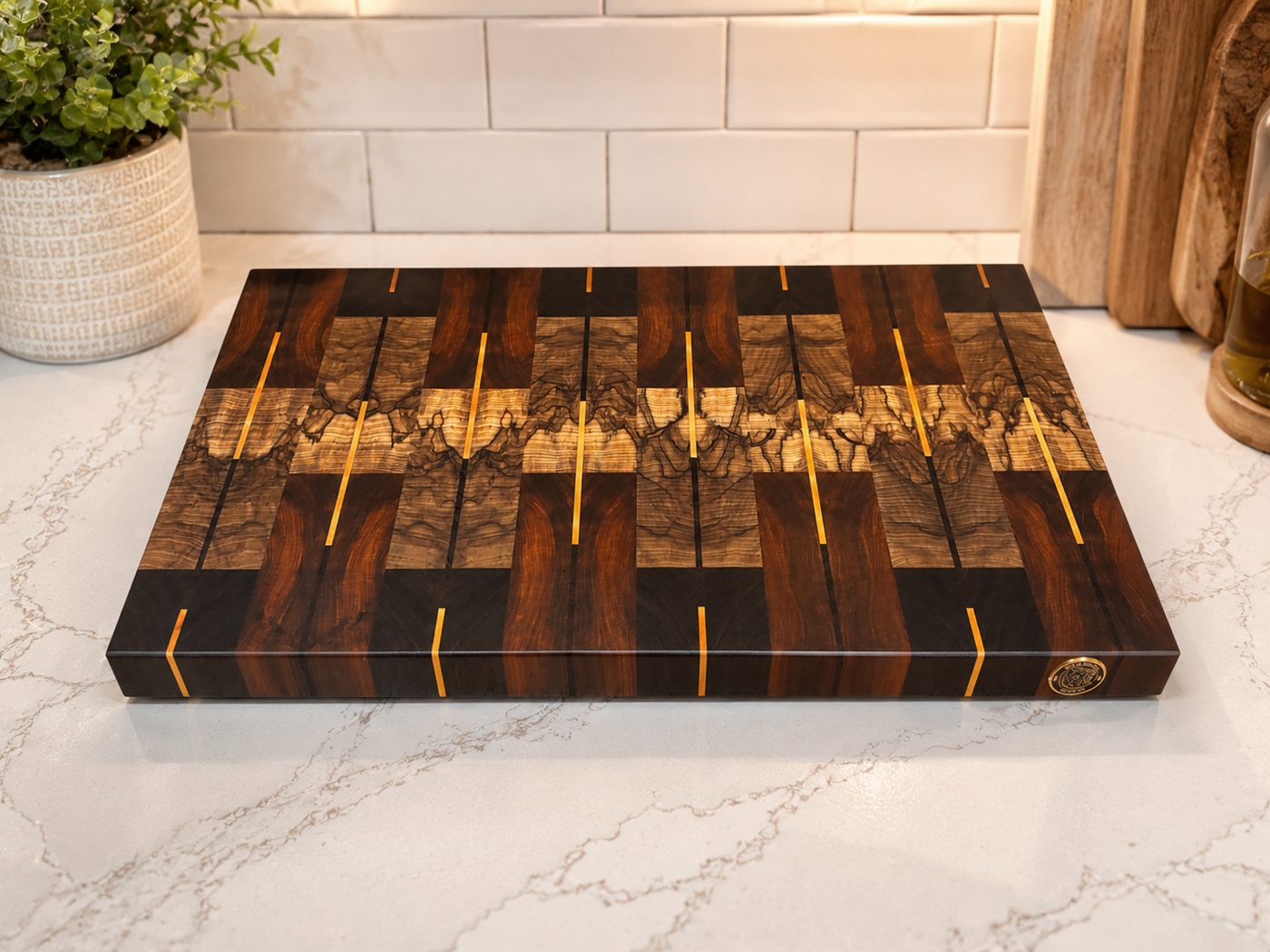
Five years into working with wood as an adult, I've narrowed my focus to end-grain cutting boards — and specifically, to exotic species that most makers don't touch. African Padauk, Wenge, Bolivian Rosewood, Zebrawood, Canarywood. Rare woods with color and figure you can't get from walnut or maple alone. Each board is a small experiment in what these species can become when they're treated with patience.
I don't work fast. I don't work to deadlines. I release boards when they're finished, and the next one comes when the last one is done. If you buy one from me, you're buying something that took the time it took, made by someone who wouldn't rush a piece of wood if you paid him double.